
Relocating to Peoria, AZ: What New Residents Need to Know in 2026
Relocating to Peoria AZ in 2026 places households in one of the fastest‑growing suburbs of metro Phoenix. According to U.S. Census QuickFacts, Peoria’s population climbed past 190,000 residents after 2020, continuing a robust decade of expansion. That scale supports diverse neighborhoods, established schools, and an expanding job base along Loop 101 and Grand Avenue. Understanding housing, schools, commuting patterns, and local recreation around Lake Pleasant Regional Park and Old Town Peoria helps newcomers align expectations before a moving truck ever reaches Bell Road or Happy Valley Road.
What demographic and lifestyle trends define relocating to Peoria AZ in 2026?
Peoria blends established suburbs like Fletcher Heights and Desert Harbor with master‑planned communities such as Vistancia and Trilogy at Vistancia. According to U.S. Census QuickFacts, the city added roughly 20,000 residents between 2010 and 2020, with continued growth projected through 2030. This scale creates steady demand for retail at Park West and the P83 Entertainment District while still preserving lower densities around West Wing Mountain Preserve. The result is a balance between suburban calm and access to big‑city amenities in downtown Phoenix, roughly 17 miles southeast via Loop 101 and I‑17.
Climate influences daily life for anyone relocating to Peoria AZ. According to Weather‑US, July high temperatures average around 106°F, while January lows hover near 43°F. The long warm season encourages outdoor recreation at Rio Vista Community Park, Pioneer Community Park, and along the New River Trail. Many newer homes in Camino á Lago and North Peoria feature energy‑efficient construction and shaded outdoor living spaces designed to manage extended heat waves economically and comfortably.
Peoria’s economy has diversified beyond traditional bedroom‑community status. The city’s economic development office reports a focus on healthcare, education, and advanced business services along the Loop 303 corridor and at offices near Lake Pleasant Parkway. According to the City of Peoria Economic Development site, targeted employment centers support tens of thousands of jobs region‑wide. This job growth, combined with proximity to Phoenix industrial hubs, positions Peoria as a practical base for professionals in logistics, technology services, and medical support roles.
Lifestyle expectations differ from older inner‑city neighborhoods. Shopping clusters like Arrowhead Towne Center, dining at Arizona Broadway Theatre, and spring training games at the Peoria Sports Complex anchor entertainment. Neighborhood‑scale plazas on 83rd Avenue and Deer Valley Road provide everyday services within short drives or bike rides. Parks such as Rio Vista Recreation Center host sports leagues, fitness classes, and events that integrate newcomers into community routines relatively quickly, especially for households seeking family‑focused activities near strong public schools.
How competitive is the housing market when relocating to Peoria AZ?
Housing conditions in 2026 remain active but more balanced than the extreme seller’s markets of earlier years. According to Redfin, Peoria’s median sale price has generally ranged between $430,000 and $500,000 in recent periods, depending on neighborhood and season. Entry‑level single‑family homes in older areas south of Peoria Avenue often trade below $420,000, while semi‑custom properties in Vistancia, Westwing Mountain, and Northlands can exceed $800,000. This spread offers options for first‑time buyers, move‑up households, and downsizing retirees.
Competitiveness varies sharply by price band and location. Based on data from Redfin, many Peoria listings in popular school zones go pending within 15 to 30 days under normal conditions, while luxury properties may remain active longer. Homes near high‑rated schools such as Sunrise Mountain High School and Liberty High School often attract multiple offers when priced within 3% to 5% of recent comparable sales. In contrast, properties close to heavier traffic corridors like Grand Avenue may experience slightly slower absorption and more negotiable terms.
Property types also influence the relocation calculus. Condominium and townhome communities near Desert Harbor, around 91st Avenue and Greenway Road, can provide lake‑adjacent living with lower maintenance demands. According to surveys summarized by Realtor.com, HOA dues in Peoria commonly fall in a range of $60 to $250 per month for attached homes, depending on amenities like pools, fitness centers, and gated access. Single‑family neighborhoods often have more modest community fees focused on parks, greenbelts, and trail systems.
Financing conditions in 2026 reward preparation. Conventional buyers with strong credit often aim for at least 10% down, though FHA loans continue to allow minimum down payments of 3.5%, as outlined by HUD. Closing costs in Maricopa County typically range from 2% to 5% of the purchase price when factoring in title fees, prepaid taxes, and insurance. Those figures can materially affect affordability for households targeting newer construction in communities such as Northpointe at Vistancia or Aloravita near Happy Valley Road.
Which Peoria AZ neighborhoods and schools appeal most to new residents?
Neighborhood selection often centers on school performance within the Peoria Unified School District. According to GreatSchools, Sunrise Mountain High School holds a strong rating, supporting demand in nearby communities like Desert Harbor, Arrowhead Shores, and neighborhoods along 83rd Avenue. Liberty High School and Centennial High School also post solid academic and college‑readiness indicators. These metrics contribute to price premiums for homes within favored boundaries, particularly for three‑ and four‑bedroom properties close to neighborhood parks.
North Peoria attracts relocation interest with its desert topography and master planning. Vistancia offers options from starter homes to age‑restricted living in Trilogy at Vistancia, complemented by trail networks and proximity to Lake Pleasant Regional Park. West Wing Mountain Preserve provides hiking access minutes from cul‑de‑sacs lined with contemporary stucco homes and stone accents. Further east, Fletcher Heights delivers shorter commutes to Glendale employment centers and Arrowhead Towne Center, while maintaining residential streets that feed into well‑regarded elementary and middle schools.
An evening drive through the P83 Entertainment District along 83rd Avenue reveals stadium lights glowing over the Peoria Sports Complex and the savory aroma of grilled tacos drifting from restaurants near Huntington University’s Peoria campus. Music spills softly from patios at Park West as fans gather before a spring training game, and neon signs reflect across freshly washed windshields in the parking lots. The combination of ballpark energy and relaxed suburban streetscapes offers relocating households a vivid first impression of western Peoria nights.
Educational variety extends beyond K–12 options. The Peoria area offers access to higher‑education institutions such as Huntington University and nearby Glendale Community College, expanding opportunities for career advancement or continuing education. According to program listings compiled by Maricopa Community Colleges, more than 200 degree and certificate tracks operate within the district. For families prioritizing education, close proximity to these campuses, plus strong public schools, often becomes a central factor in neighborhood selection.
What commuting, transit, and recreation options shape daily life in Peoria AZ?
Commuting patterns in Peoria center on Loop 101, Lake Pleasant Parkway, and Bell Road. According to U.S. Census journey‑to‑work data, average one‑way commute times for Peoria residents hover around 28 minutes. Many employment centers in Glendale, Phoenix, and Deer Valley sit within 15 to 25 highway miles. Access to Grand Avenue (US 60) provides an alternate route toward downtown, while Happy Valley Road connects newer northern neighborhoods to Interstate 17 and industrial hubs in north Phoenix.
Public transit plays a supporting role. Valley Metro operates bus routes along major corridors such as 83rd Avenue, Bell Road, and Thunderbird Road. According to Valley Metro, standard local fares remain under $5 per day with passes, providing a budget‑friendly option for commuters who prefer not to drive daily. Park‑and‑ride facilities on the west side of metro Phoenix allow residents from Peoria to transfer to express routes toward downtown Phoenix and Tempe employment cores.
At sunrise along the shoreline of Lake Pleasant Regional Park, morning anglers on the marina docks hear the gentle slap of water against hulls and the muffled hum of boat engines warming up. The scent of desert creosote lingers after an overnight monsoon, while cool air brushes across sandstone outcrops overlooking the reservoir. Cyclists glide along Castle Hot Springs Road as sunlight washes over the distant White Tank Mountains, creating an immersive landscape that shapes weekend routines for many North Peoria residents.
Within city limits, recreation infrastructure keeps pace with population growth. According to facility details from the City of Peoria Parks Department, Pioneer Community Park spans more than 80 acres, featuring a fishing lake, ballfields, a dog park, and playgrounds. Rio Vista Community Park and the adjacent Rio Vista Recreation Center offer indoor gyms, racquetball courts, and event spaces. Together with neighborhood tot lots and HOA pools, these amenities support active lifestyles even during the hottest months of the year.
How can new residents prepare financially and practically for relocating to Peoria AZ?
Preparation for relocating to Peoria AZ extends beyond the purchase price of a home. Maricopa County property tax rates often fall between 0.6% and 1.3% of assessed value, according to ranges reported by Tax Foundation. Utility expenses trend higher during summer, when air‑conditioning loads increase sharply. Budget planning commonly includes electricity bills that can exceed $250 per month for larger homes during July and August, especially in properties with older HVAC systems or limited insulation upgrades.
Insurance and maintenance also factor into long‑term affordability. Data from ValuePenguin indicates that average Arizona homeowners insurance premiums fall near $1,500 annually, though Peoria‑area costs vary by insurer, coverage limits, and proximity to wildfire‑prone foothills. Routine exterior maintenance on stucco, tile roofs, and desert landscaping typically requires scheduled attention every 3 to 7 years. Households purchasing homes with pools around Fletcher Heights or Desert Harbor also budget for professional cleaning or chemical supplies to manage heavy summertime usage.
Timing a relocation can influence both housing selection and moving costs. Peak listing activity in the West Valley often occurs from March through June, according to seasonal charts on Redfin. Moving companies sometimes apply higher rates or tighter scheduling constraints during these months, particularly on weekends. Planning closing dates outside of holiday periods, or targeting mid‑week moves, may improve access to preferred movers and reduce hourly labor charges for long‑distance shipments into Peoria neighborhoods.
Beyond finances, practical acclimation steps ease the transition. Registering children with Peoria Unified School District, updating driver’s licenses at Arizona MVD offices on 83rd Avenue or near Glendale, and connecting utilities with providers such as APS and EPCOR typically occur within the first 30 days after arrival. Early enrollment in recreation programs at Rio Vista Recreation Center or youth leagues using fields at Skunk Creek Linear Park can help new residents establish routines quickly in Peoria’s distinct desert environment.
The 20,000‑resident growth figure cited at the start of this guide reflects sustained demand that continues to shape inventory, school planning, and infrastructure across Peoria. That earlier population gain underscores how quickly desirable homes around Sunrise Mountain High School, Vistancia, and Desert Harbor can draw multiple offers once listed. The Arizona Regional Multiple Listing Service provides the most comprehensive, real‑time snapshot of available properties and recent comparable sales in the Peoria submarkets. Prospective buyers who register listing alerts through ARMLS and commit to touring homes within 48 hours of activation before the spring 2026 surge frequently secure contracts ahead of competing bids. Those who postpone searches until late May often encounter tighter inventory, higher list‑to‑sale ratios, and reduced leverage on inspection or repair negotiations.
FROM OUR BLOG
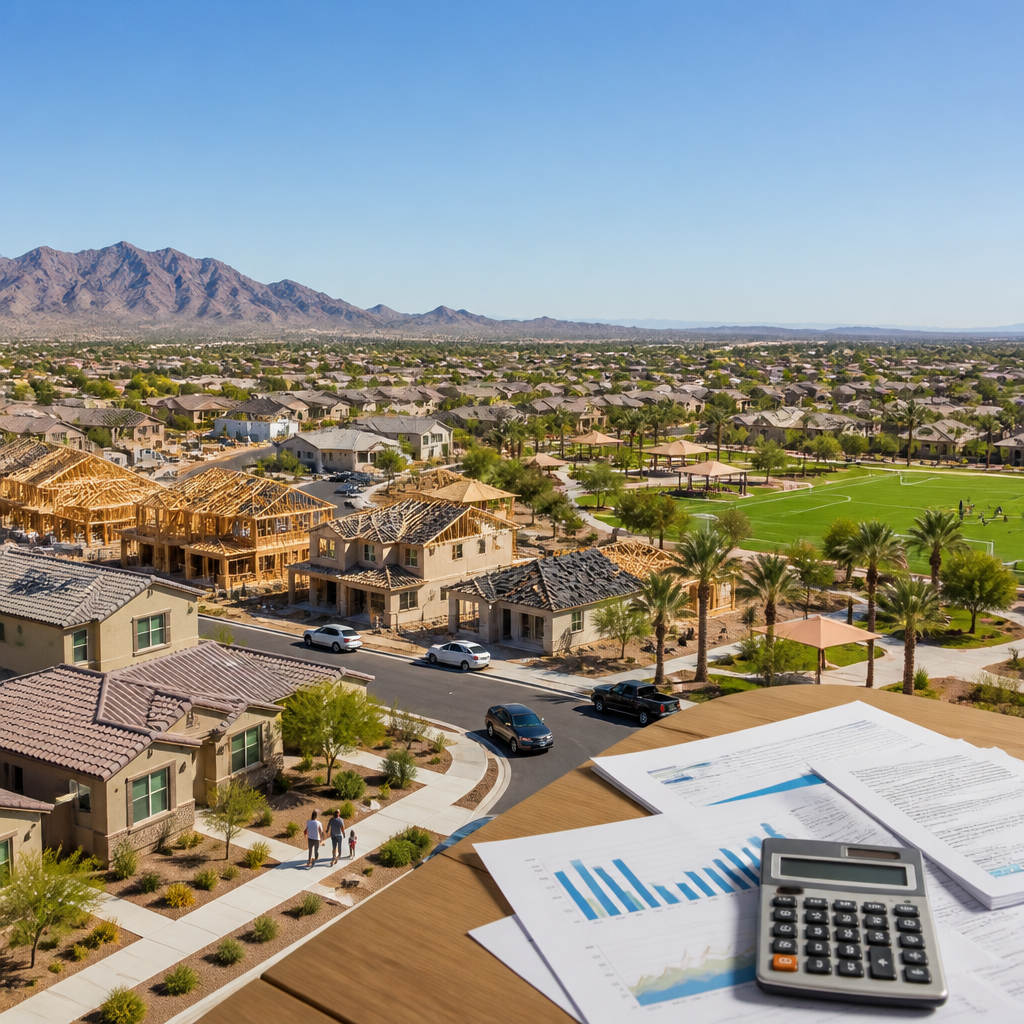

Essential Guide for First-Time Home Buyers in Goodyear, AZ: 2026 Edition
Essential Guide for First-Time Home Buyers in Goodyear, AZ: 2026 Edition Goodyear’s mix of new construction, established neighborhoods, and steady job growth continues to attract first-time purchasers. According to Redfin, Goodyear’s median home sale price through early 2025 typically falls in a ran
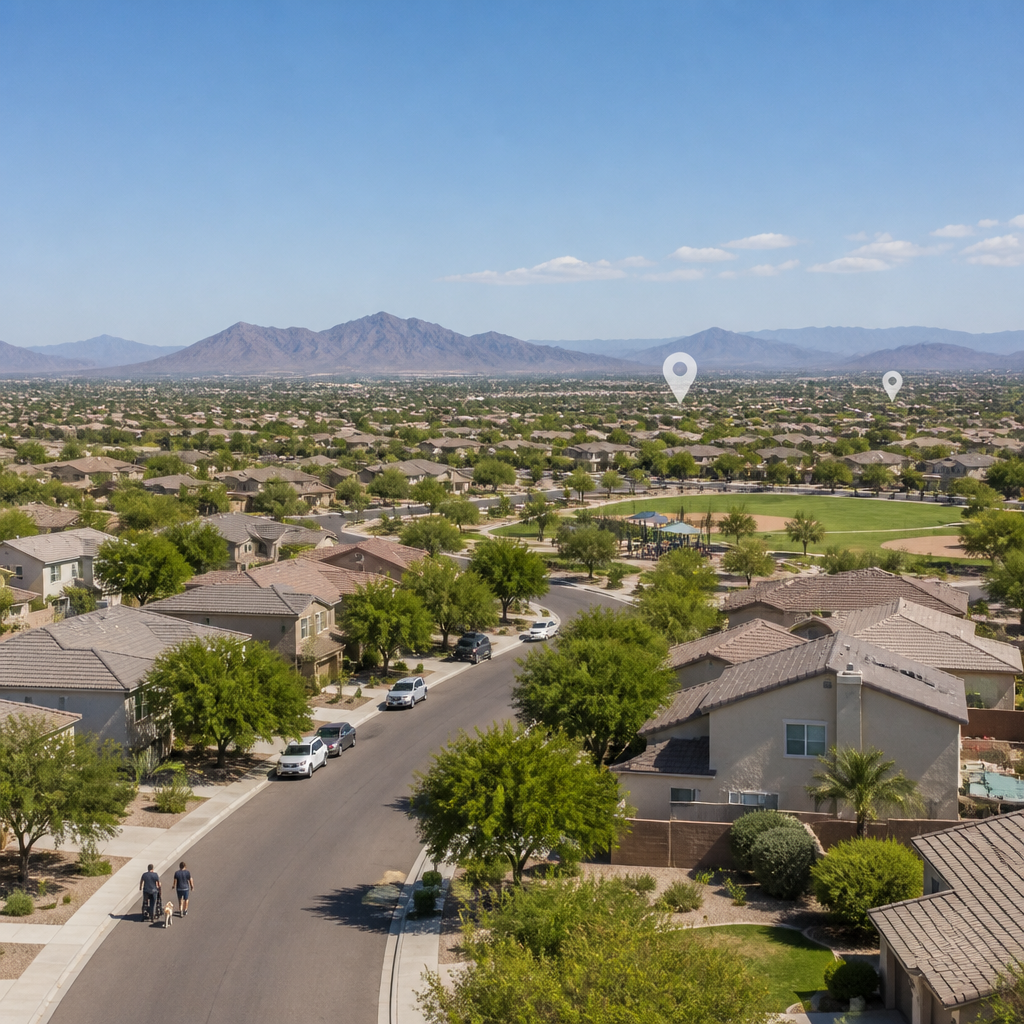
Top Family-Friendly Homes in Avondale, AZ: A 2026 Buying Guide
Top Family-Friendly Homes in Avondale, AZ: A 2026 Buying Guide Family-friendly homes in Avondale AZ sit in a fast-growing city that counted about 89,334 residents in 2020, according to U.S. Census Bureau QuickFacts. That steady growth fuels demand for single-family homes near schools, parks, and sho